


16 October 2026
Raisha Andini
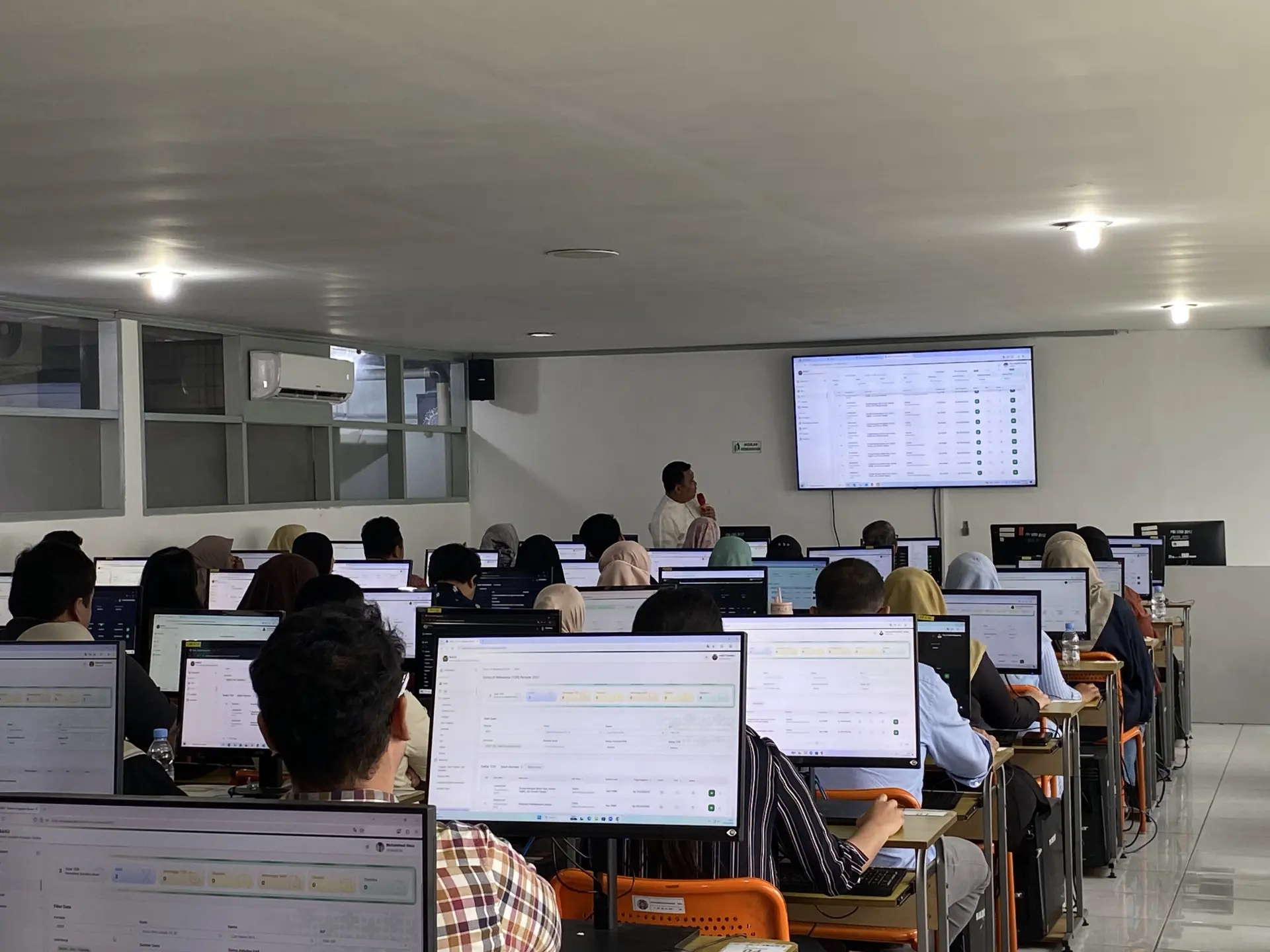
DIT PPEP USU – The Directorate of Planning, Development, and Program Evaluation (Dit PPEP) of Universitas Sumatera Utara (USU) held a Socialization and Simulation on Completing the Work Plan and Budget (RKA) for Fiscal Year (FY) 2027 on Friday (October 16, 2026), at Labs C and D of the USU Directorate of Information Systems and Technology Development. The activity introduced SAKU, a new system that will be used by all work units to prepare next year’s budget.
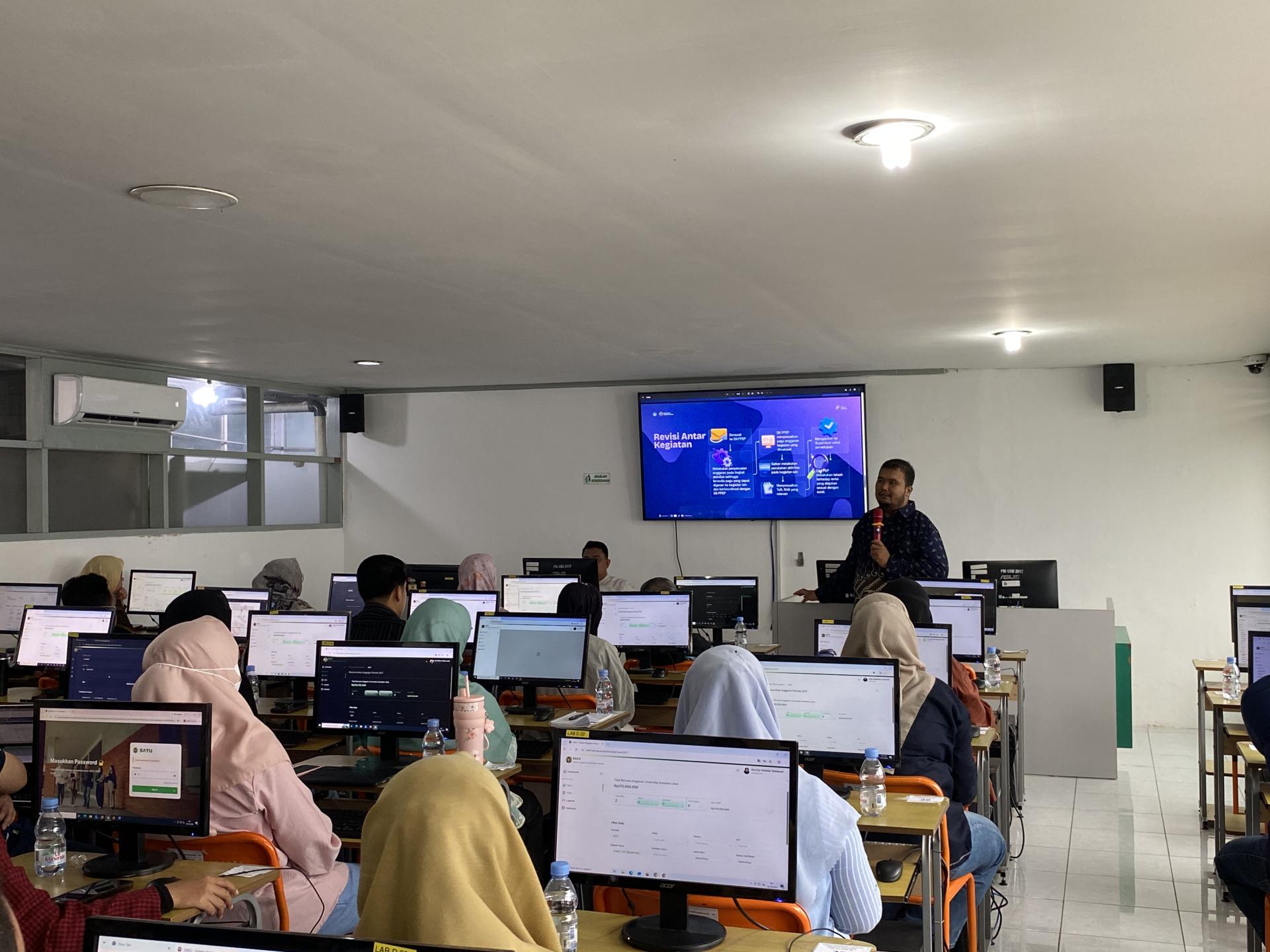
SAKU is an integrated platform for budget, financial, and accounting management. Whereas planning and financial processes were previously carried out through separate systems, all processes—from planning and payments to accounting records—will now be conducted through a single system. The current simulation still uses test accounts, while the actual completion process will be carried out through saku.usu.ac.id.
During the presentation, the Dit PPEP team explained several fundamental changes. The terms template and Activity Budget Item (Mata Anggaran Kegiatan/MAK) will no longer be used. Instead, budgeting will refer to the programs introduced in the 2026 Activity and Budget Plan (RKAP), as well as the Chart of Accounts (COA) for preparing the Budget Expenditure Plan (RAB). The activity also featured representatives from the USU Directorate of Finance, Fajarhari Nugroho and Hubertus Franky Dicky, who explained the types of COA that will be used in budget preparation.
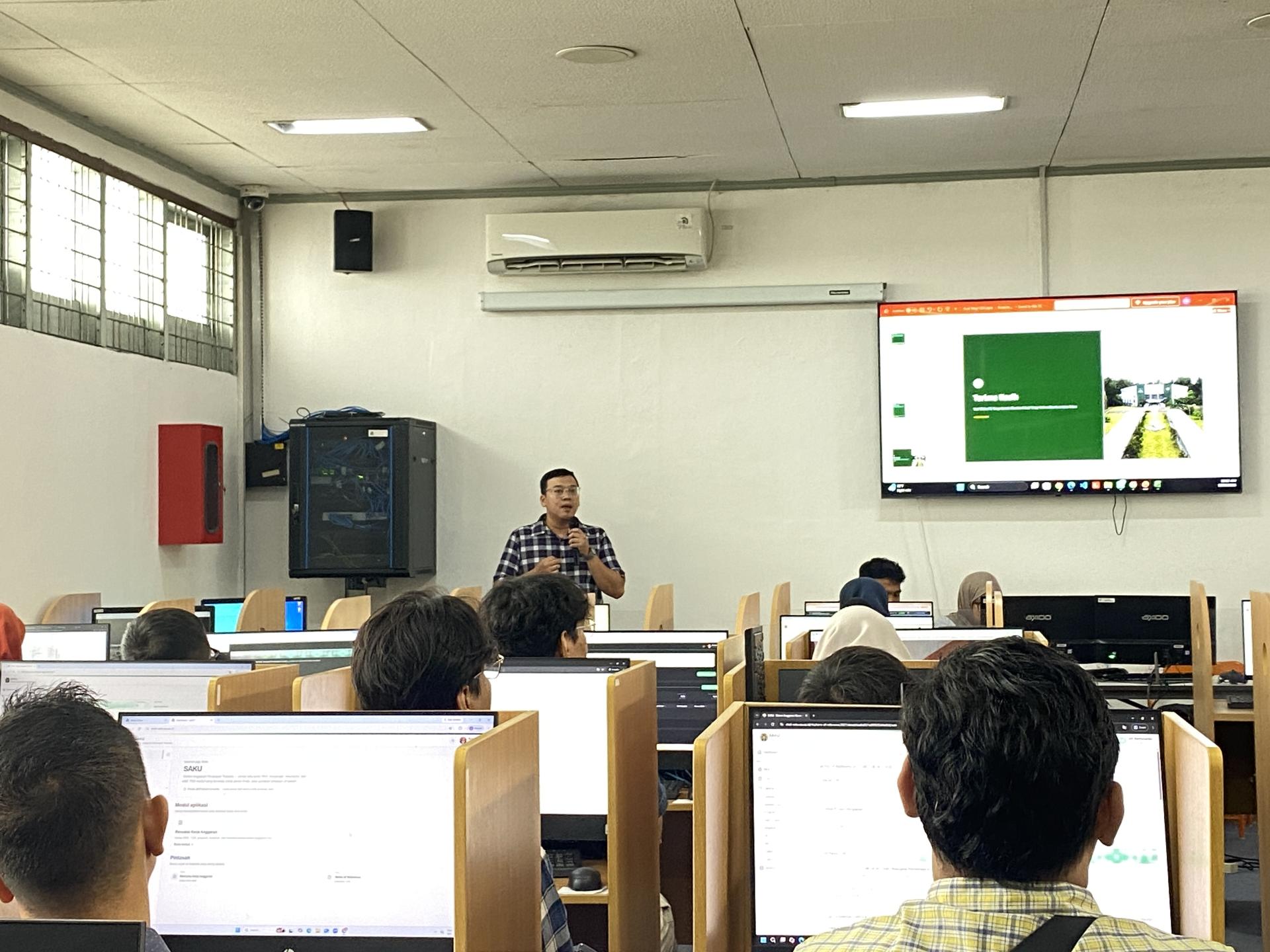
The budget allocation mechanism has also changed. Previously, work units received an overall budget ceiling and then independently planned their activities. Going forward, work units will receive an RKA that already contains the activities and their respective budget allocations. These activities and allocations are determined through the Priority Performance Indicator (IKP) Forum, where proposals from each work unit are discussed and approved by university leaders according to their respective areas of responsibility and the university’s focus for 2027. The results are then entered into the system by Dit PPEP for further processing by the work units.
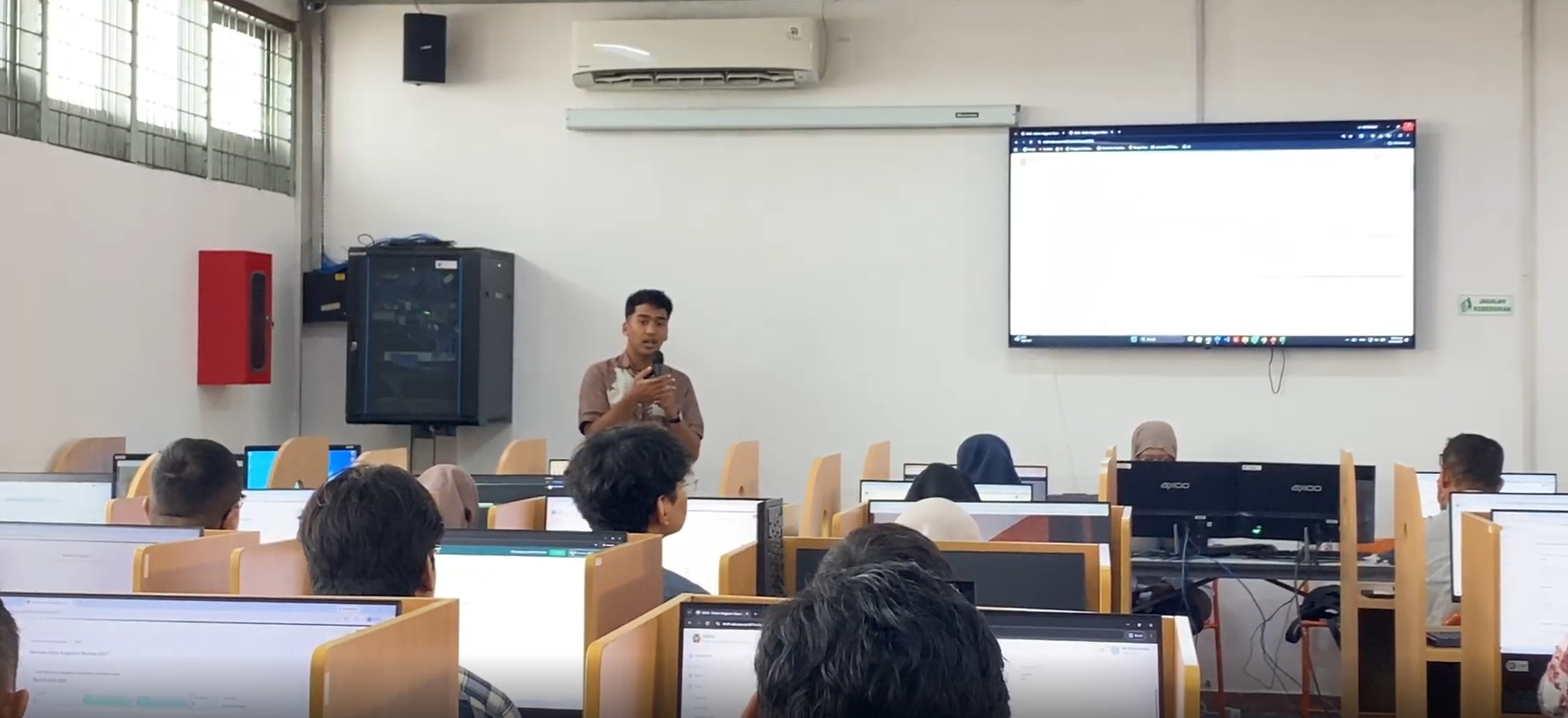
Afterward, each work unit is responsible for preparing the Term of Reference (TOR), activity details, and RAB containing the relevant COA. The Dit PPEP team emphasized that the TOR now serves as the basis for determining whether an activity is approved. Therefore, the objectives of each activity must be clearly and comprehensively described. The proposal is then approved by the head of the work unit through the system before being reviewed by Dit PPEP.
The SAKU system divides users into four roles: the planning administrator as the verifier, the planning supervisor from the Dit PPEP leadership, the operator at the work-unit level, and the work-unit supervisor, who is the head of the respective unit, such as a dean or director. Approvals that were previously carried out through signed letters can now be completed directly through the system.
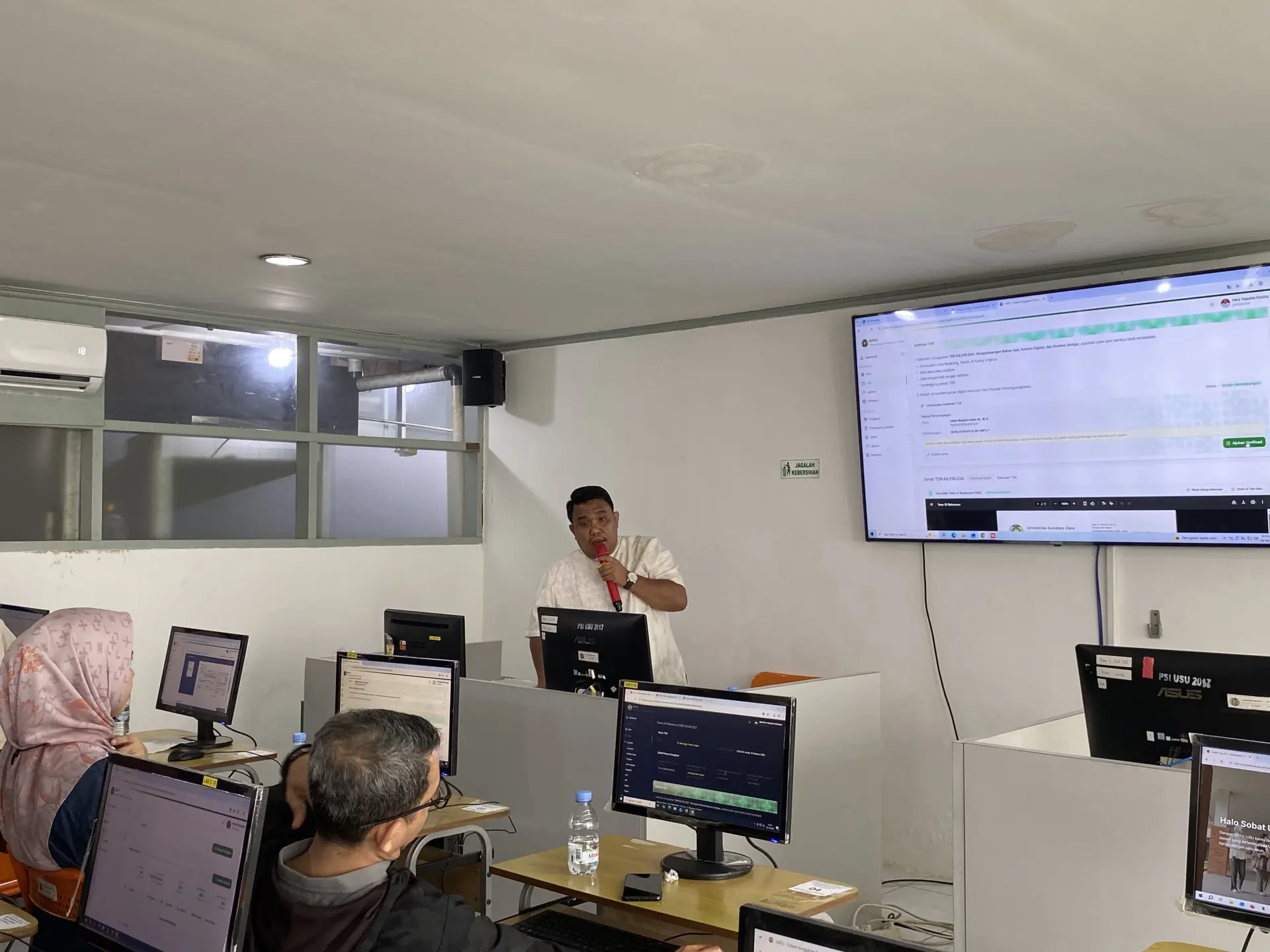
Every activity within SAKU is also recorded in the system. Even minor changes, such as modifying a Term of Reference, changing the budget, adding expenditures, or deleting data, can be fully viewed by users within the system.
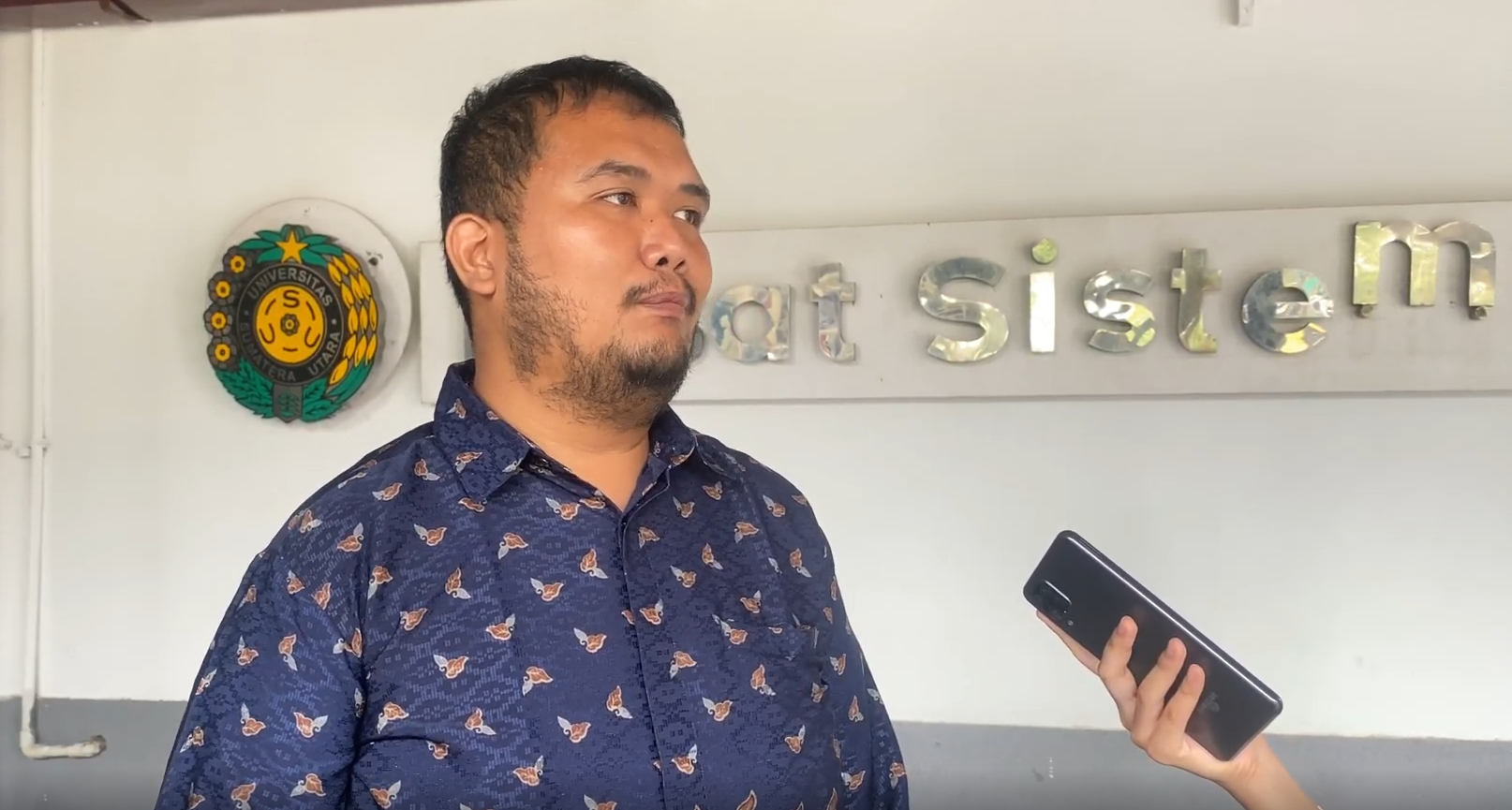
Manager of Program Control, Evaluation, and Reporting at Dit PPEP USU, Ishbir Mujahid Adha, S.E., M.Si., explained that adjustments to priority programs are made annually. For 2027, there are 14 priority programs in addition to supporting programs for achieving the Key Performance Indicators (IKU).
According to him, the system upgrade was prompted by the separation of planning, financial, and accounting processes. “Until now, the planning, financial, and accounting record systems have been separate, so sometimes they could not be tracked in real time. Through the development of the current system, all of these processes have been integrated into one system,” he said.
He expressed hope that the integrated system would make expenditure recording more organized and facilitate the budget revision process. Regarding the readiness of work units, he acknowledged that every new system requires an adjustment period. “When there is a new system, we need to adapt. And we have started that adaptation today,” Ishbir said.
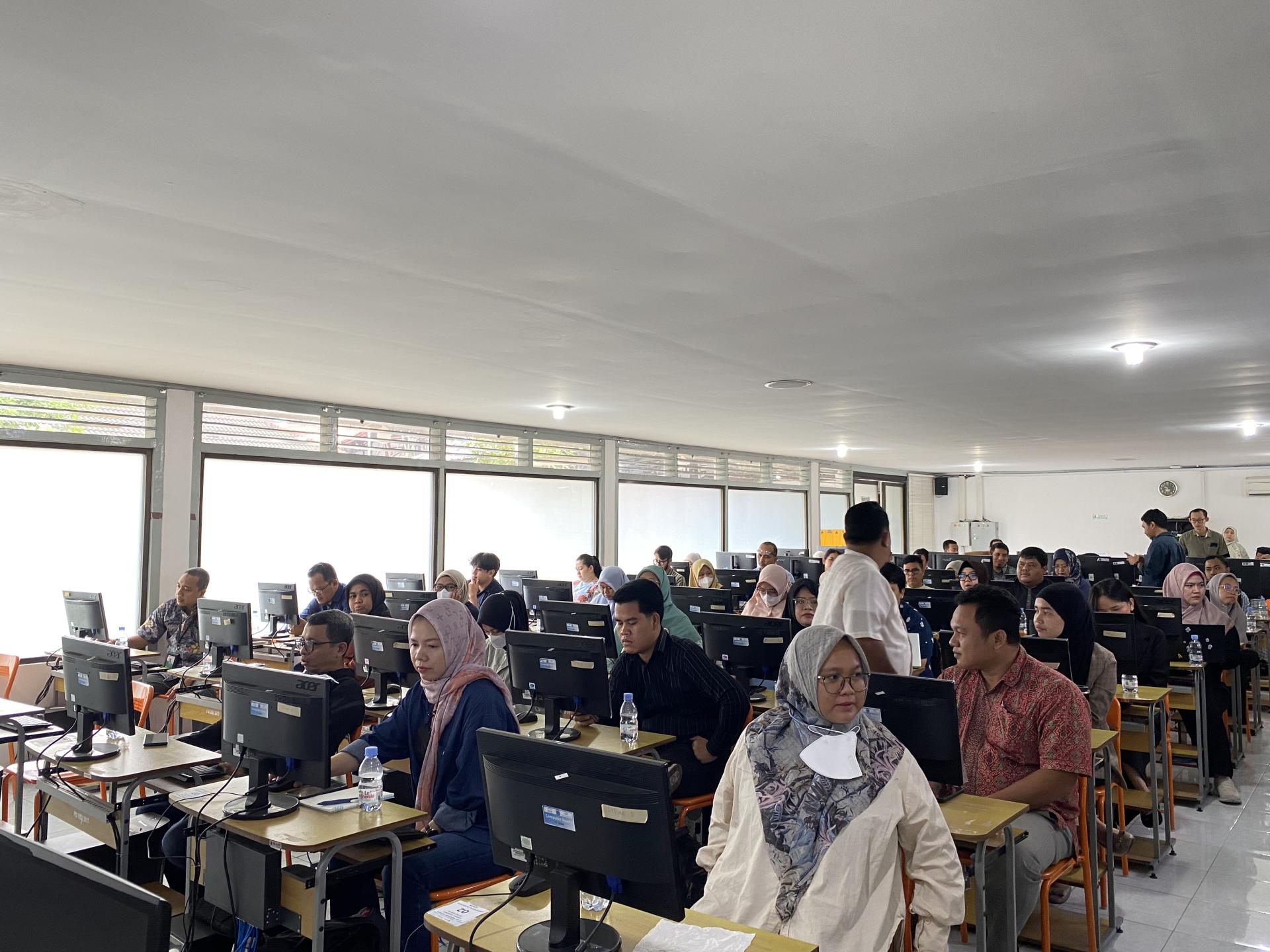
Through this socialization activity, each work unit is expected to have sufficient information and preparation so that the FY 2027 RKA preparation process can proceed smoothly without significant obstacles.
Photo: USU TV

